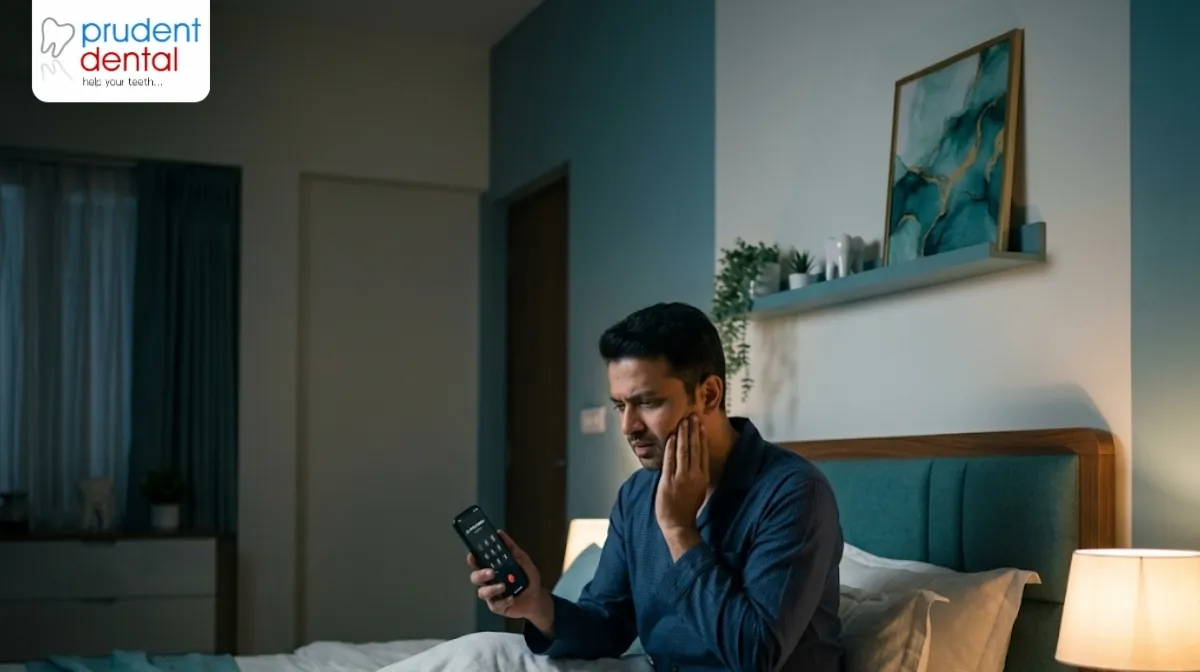
 AI-generated image
Key takeaways
- Most dental numbness wears off in about one to three hours; the lower jaw stays numb longer than the upper.
- While numb you cannot feel heat or biting. Avoid hot food and chew carefully.
- Watch children closely; they may bite a numb lip or cheek and cause a sore.
- Numbness still present a day or more later should be reported to your dentist.
That odd, fat-lipped numbness after a dental appointment is harmless and expected, but it is also the moment people accidentally scald their mouth with hot chai or bite a numb lip. Knowing roughly how long it lasts, and how to stay safe meanwhile, is the whole of it.
How long it normally lasts
A standard local anaesthetic keeps the area numb for roughly one to three hours after your procedure, sometimes a bit more. There is a predictable difference between the jaws: the upper teeth usually come back to life sooner, while the lower jaw stays numb longer because the anaesthetic there is placed near a larger nerve that serves a wider area. For longer procedures, a dentist may deliberately use a longer-acting anaesthetic, extending the numbness by a few hours.
Why one side of the face feels so different
The classic lingering numbness, a heavy lip, a dead tongue, a numb chin, happens when the block is placed near the main nerve of the lower jaw. It feels dramatic but is simply the medicine doing its job over a broad territory. It resolves on its own through the day as blood flow gradually carries the anaesthetic away. There is nothing to fix; it is just a matter of waiting it out.
Staying safe while numb
This is the part that actually matters. Numb tissue cannot feel heat or accidental biting, so until sensation returns: skip hot drinks and hot food (a hot cup of tea can scald a numb lip or palate without you noticing), chew slowly and carefully or simply wait before eating, and keep an eye on children. Kids are fascinated by the strange feeling and may chew or bite the numb lip or cheek, sometimes badly enough to cause a painful ulcer once the numbness fades. Do not poke or bite the area to test it.
Can you hurry it along?
Not much. Gentle, careful movement and simply giving it time are the main things. For certain procedures some dentists can use a reversal agent, but usually you just wait safely as the effect passes. Avoid alcohol, keep food lukewarm and soft, and the feeling comes back by itself. This connects to the broader question of dental anaesthesia if you are nervous about injections in the first place.
When numbness is worth a call
Rarely, after procedures close to the nerves, such as removing a lower wisdom tooth or placing an implant, altered sensation can last longer than a day. It is usually temporary, but any numbness, tingling or changed feeling in the lip, chin or tongue still present the next day should be reported so your dentist can note and monitor it. It is also normal to feel some post-treatment discomfort as the anaesthetic wears off, that is separate from numbness and usually settles with simple pain relief.
About images: Images labelled 'AI-generated image' are illustrations created with AI tools. They do not show Prudent Dental Clinic, our team or our patients. Real photos of the clinic are captioned as such.
Numbness after dental treatment: your questions answered
- Do I need anaesthesia for dental treatment?
- Is it normal to feel pain after dental work?
- Tooth extraction aftercare: a day-by-day guide
- Tooth extractions
- Wisdom tooth removal cost in Pune: what decides it
- Geographic tongue: what those map-like patches mean
- Crown fell off? What to do until you see a dentist
- Dry socket after a tooth extraction: what to know
- Signs you might need a root canal
Numbness not settling as expected? Let us know. Call +91 70287 22200.
Call +91 70287 22200 · Open 7 days, 9 AM–9 PM (5 PM Sun)