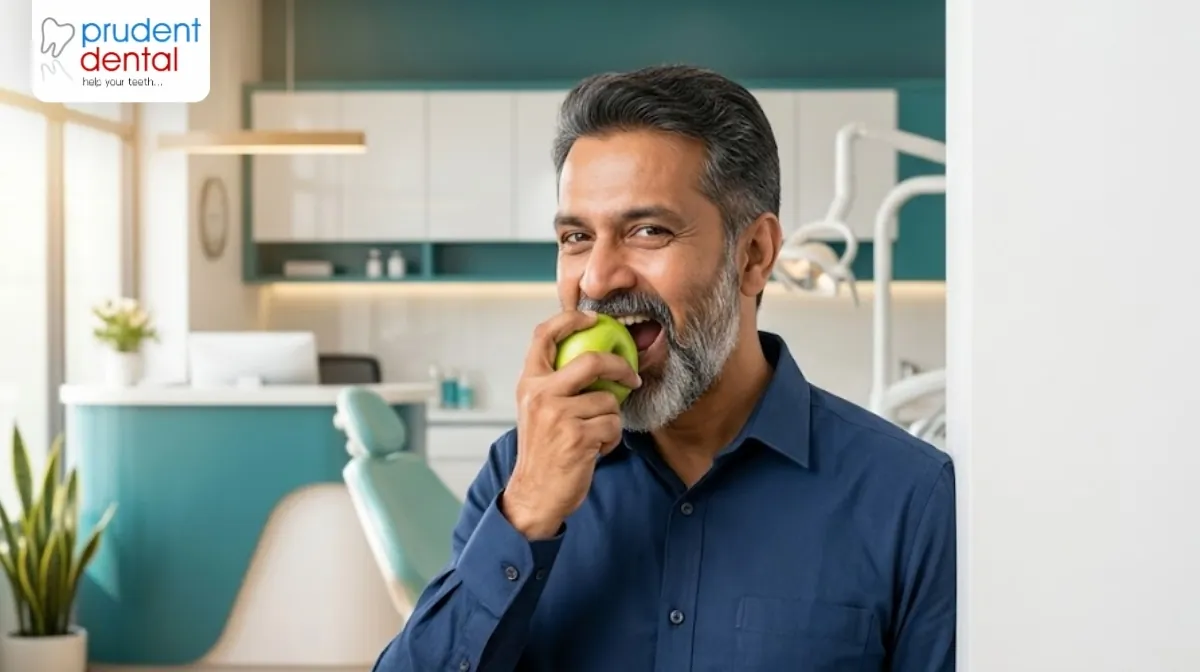
 AI-generated image
Key takeaways
- COVID-19 does not directly attack enamel in adults, but its systemic effects — dry mouth, fever, acid reflux, stress — all raise decay and gum-disease risk
- Dry mouth is the most commonly reported oral side effect; it lowers the mouth's natural acid defence, putting the gumline and root surfaces at higher risk of decay
- Jaw pain and teeth grinding often follow the stress, disturbed sleep and prolonged illness associated with COVID
- Altered taste and smell can persist for weeks or months; this is neurological, not dental, though it is worth ruling out a dental cause
- A dental check-up after recovering from a moderate or severe COVID illness is a sensible step, not just reactive care
COVID-19 is primarily a respiratory illness, but many patients have reported changes in their mouths during and after infection: dry mouth, jaw pain, teeth grinding, bleeding gums, altered taste and new tooth sensitivity. Most of these effects are indirect, the result of dry mouth, stress, fever or disrupted routine rather than the virus directly attacking dental structures, but they are real and they are worth taking seriously. This guide explains what the evidence shows and what to do about it.
Can COVID-19 affect your teeth and gums?
Yes, though usually indirectly. The SARS-CoV-2 virus binds to ACE2 receptors found in salivary gland tissue, which partly explains why dry mouth is so commonly reported. Beyond that, the cascade of effects from the infection itself, including fever, reduced appetite, disturbed sleep, stress and in some cases acid reflux or vomiting, all create oral conditions that favour decay and gum inflammation. Studies published since 2021 have documented increased rates of gum disease and dental decay in people who had moderate or severe COVID compared to matched controls. The connection is not theoretical.
Dry mouth after COVID and why it matters for your teeth
Dry mouth is the most significant oral consequence for many COVID survivors. Saliva is the mouth's primary defence: it neutralises the acid produced after eating, washes bacteria off tooth surfaces and bathing enamel in the minerals it needs to repair early damage. When saliva flow drops, as it can during and after COVID, the gumline and root surfaces become vulnerable to decay that can progress quickly. For more on this mechanism, see our detailed guide on dry mouth causes and treatment. If dryness persists beyond your recovery period, mention it at your next dental visit so the level of protection can be adjusted.
Jaw pain and teeth grinding after COVID
Many patients who recovered from COVID reported a marked increase in jaw pain, clicking and teeth grinding (bruxism). The likely explanation is a combination of prolonged stress, disrupted sleep architecture, and the muscle fatigue that can follow systemic illness. Teeth grinding during sleep wears enamel, causes jaw muscle soreness, and can chip or crack teeth. A custom-fitted night guard from your dentist is the most effective protection for people who grind at night. If jaw clicking or limited opening accompanies the pain, an assessment of the jaw joints (the temporomandibular joints) is worthwhile.
Changes to taste, smell and what they mean for oral health
Loss or distortion of taste and smell is one of the best-known COVID symptoms. For most people it recovers within a few weeks, but for some the altered perception continues for months. While this is a neurological effect of the virus rather than a dental one, it has practical implications: food tastes wrong or unpleasant, which often leads to avoiding fresh fruit and vegetables and craving stronger-tasting foods, some of which are sugary or acidic. Maintaining a nutritionally sound diet during taste recovery helps both general health and oral health. If the altered taste comes with gum soreness, bad breath or tooth sensitivity, those specific symptoms need a dental assessment.
When to see a dentist after a COVID illness
Book a check-up if you experienced a moderate or severe illness, if your routine dental visits were disrupted for a year or more, or if you have noticed any new sensitivity, bleeding gums, dry mouth that is not settling, jaw pain, or changed taste that has a possible dental cause. At a thorough dental examination, Dr. Puja Bansal can identify early root-surface decay or gum inflammation before it becomes a major problem. Prudent Dental Clinic in Viman Nagar is open seven days a week. If you are still within the infectious period of an active illness, reschedule your appointment rather than attending.
COVID-19 and oral health FAQs
Sources & further reading: NHS, Dental Health; American Dental Association (MouthHealthy); World Health Organization, Oral Health; Indian Dental Association.
About images: Images labelled 'AI-generated image' are illustrations created with AI tools. They do not show Prudent Dental Clinic, our team or our patients. Real photos of the clinic are captioned as such.
- Dry mouth (xerostomia): causes and what helps
- Can stress damage your teeth? What a dentist sees
- Teeth grinding: causes, damage and night guards
- Gum disease: from gingivitis to periodontitis
- Dental examination
- Enamel hypoplasia in children: causes, signs and treatment
- What smoking does to your teeth and gums
- Dental care for seniors: keeping teeth for life
- When should children start braces?
Noticed changes since your COVID illness? Call +91 70287 22200.
Call +91 70287 22200 · Open 7 days, 9 AM–9 PM (5 PM Sun)