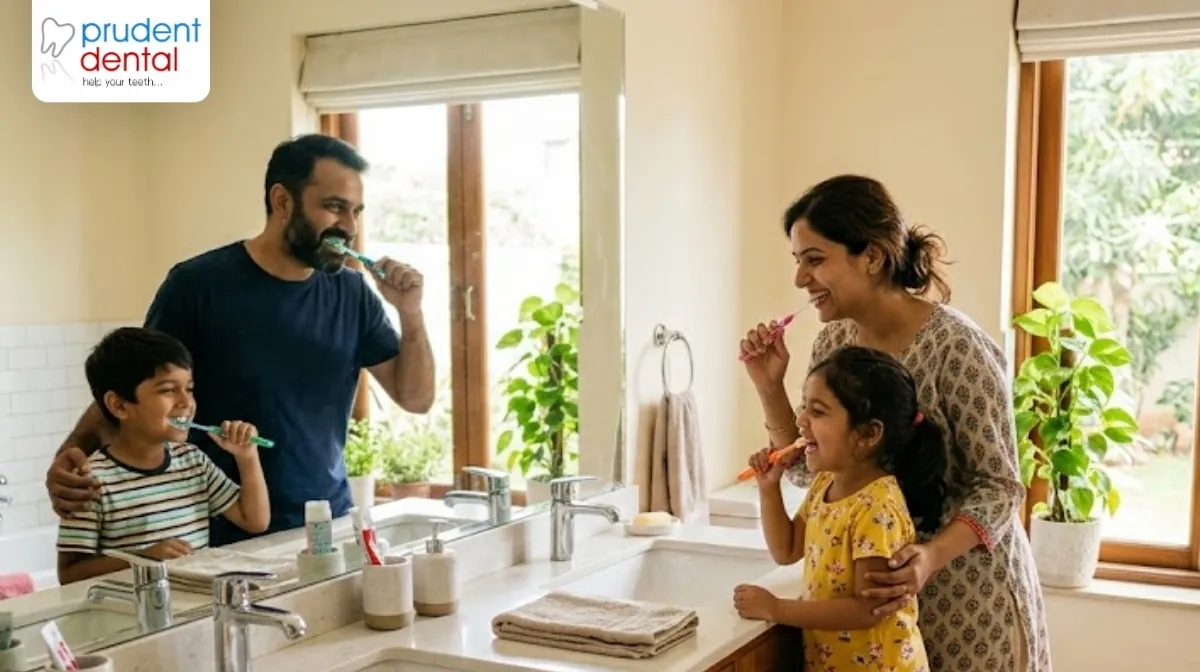
 AI-generated image
Key takeaways
- For the first 24 hours: cold or room-temperature soft foods only — yogurt, banana, cold soup, ice cream without crunchy bits
- Avoid hot drinks, straws, alcohol and anything crunchy, seedy or sticky for at least 72 hours after extraction
- By days 3 to 5 most people can eat soft-cooked foods; a normal diet resumes at 7 to 10 days when the socket has closed over
- Never spit forcefully or rinse vigorously in the first 24 hours — it dislodges the clot and leads to dry socket
- Protein-rich soft foods support healing: good India-friendly options include curd, paneer, moong dal, khichdi and mashed banana
What you eat after a tooth extraction matters more than most patients expect. The blood clot forming in the socket is fragile and essential for healing. The wrong food or drink at the wrong time can dislodge it, cause dry socket, introduce bacteria, or simply slow recovery. This day-by-day guide tells you exactly what to eat, what to avoid and when normal eating can resume, with practical options suited to an Indian diet.
Why what you eat affects healing after a tooth extraction
After a tooth is removed, the socket fills with a blood clot. That clot is the foundation for new tissue and bone to grow back over the following weeks. It is easily disrupted: suction from a straw, the heat from a hot drink, the crunch of a crisp or the pressure of chewing on the extraction side can all dislodge or damage it. When the clot is lost, the raw bone underneath is exposed to air and saliva, causing the throbbing pain known as dry socket. Following the right diet for the first week is the single most effective thing you can do to prevent it and to keep the healing on track.
What to eat in the first 24 hours
Cold or room-temperature, completely soft foods are the goal on day one. Cold foods are especially helpful because they gently reduce swelling in the socket area. Good choices include plain yogurt or curd, a ripe banana, cold thin dal that is not too spiced, cold milkshake (drunk from a cup, never a straw), ice cream without nuts or crunchy mix-ins, and mashed potato or soft-cooked rice that has been fully cooled. Eat small amounts at a time, chew only on the other side, and rinse gently with lukewarm water afterwards.
| Day | Good choices | Avoid |
|---|---|---|
| Day 1 | Curd, cold soup, banana, ice cream (plain), cold milkshake (cup, no straw) | Everything hot, all straws, alcohol, crunchy foods, spices |
| Days 2-3 | Khichdi, moong dal, scrambled egg, soft idli, mashed potato, paneer (soft pieces) | Whole spices, seeds, anything that requires hard biting |
| Days 4-7 | Soft-cooked rice, dal, soft roti, tender cooked vegetables, curd rice, oats | Crunchy snacks, pani puri, chaat, sticky sweets, very hot or spicy food |
| Day 7-10+ | Gradual return to normal diet, starting with softer options first | Return to spicy or crunchy food only once the socket feels comfortable |
What to eat on days 2 to 7
By the second day the clot is more stable, though still vulnerable, and you can gradually introduce warmer, more varied soft foods. Khichdi is one of the best post-extraction meals in an Indian diet: it is soft, protein-rich from the dal, and easy to vary. Plain moong dal, scrambled eggs, soft-cooked oats with milk, smooth peanut butter on soft bread, and well-mashed vegetables are all good choices. Keep food on the opposite side of the mouth from the extraction, eat slowly, and rinse gently with slightly warm salt water after eating from day 2 onwards. Hot foods are fine from day 2 as long as they are not scalding.
Foods and drinks to avoid until the socket heals
Several things are worth avoiding for the full 7 to 10 days, not just the first 24 hours. Straws create suction that can pull the clot out at any stage of healing. Popcorn, nuts, hard biscuits, kurkure, and chips are obvious risks. Less obvious are sesame seeds (from til chikki or burger buns), which can pack into an open socket and cause infection. Alcohol slows healing and interacts badly with any antibiotics or painkillers you may have been prescribed. Smoking is in a category of its own: it constricts blood vessels, reduces the oxygen reaching the healing tissue, and dramatically raises both dry-socket and infection risk. Giving it up for at least 72 hours, ideally longer, makes a material difference to your recovery.
Foods that help healing: India-friendly options
Protein is the raw material for tissue repair, and the best sources are those that are already soft or can be prepared soft: curd and paneer from dairy, moong and masoor dal, well-cooked chana (mashed), egg preparations such as scrambled eggs or a soft omelette, and smooth nut butters. Vitamin C from soft fruits such as papaya or mango (cut small, chewed away from the socket) supports gum and connective tissue healing. For patients who are vegetarian or vegan, a focus on dal, paneer, and soya-based dishes provides the protein that makes a real difference in how quickly the socket fills in. Book a dental check-up at Prudent Dental Clinic if the socket is still uncomfortable or open at 10 days.
Food after tooth extraction FAQs
Sources & further reading: NHS, Dental Health; American Dental Association (MouthHealthy); NIDCR, US National Institute of Dental & Craniofacial Research; Indian Dental Association.
About images: Images labelled 'AI-generated image' are illustrations created with AI tools. They do not show Prudent Dental Clinic, our team or our patients. Real photos of the clinic are captioned as such.
- Tooth extraction aftercare: a day-by-day guide
- Dry socket after a tooth extraction: what to know
- Wisdom tooth removal cost in Pune: what decides it
- Tooth extractions
- Emergency dentist pune
- Teeth sensitivity after whitening: why it happens and how long it lasts
- Frenectomy for adults: tongue tie, lip tie and when it matters
- Ceramic vs metal braces: which should you choose?
- Retainers after braces: types, care and how long
Questions about your recovery? Call +91 70287 22200.
Call +91 70287 22200 · Open 7 days, 9 AM–9 PM (5 PM Sun)