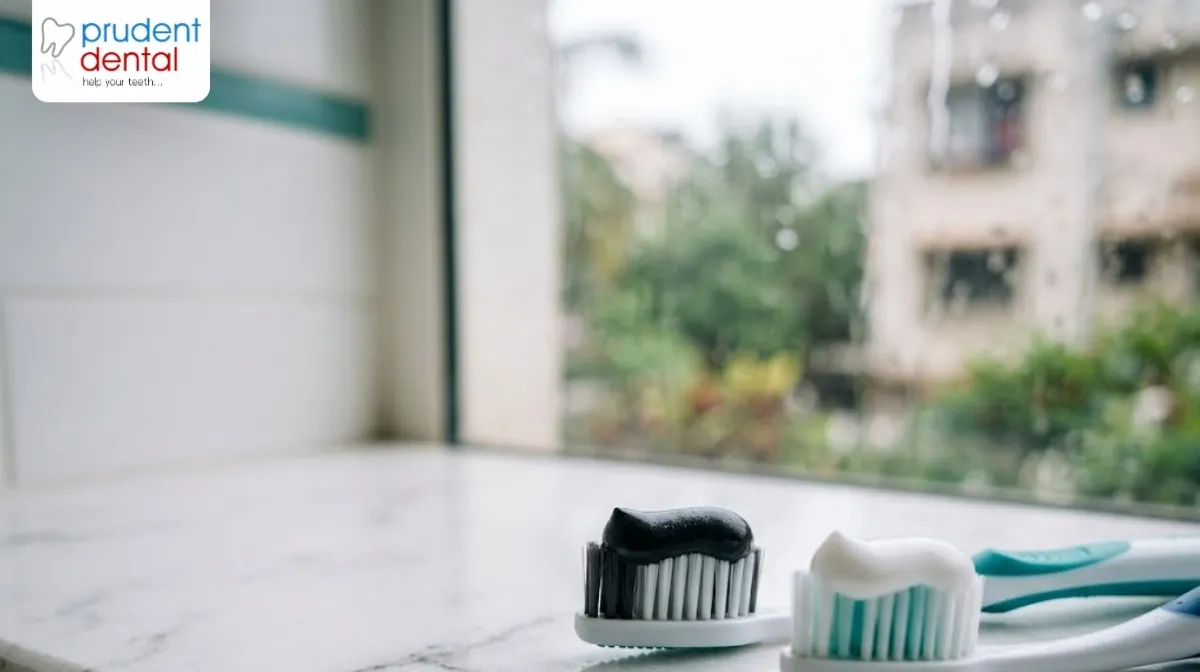
 AI-generated image
Key takeaways
- Fluoride toothpaste at standard concentrations (1000 to 1450 ppm) is safe and effective; it is the most evidence-backed tool for preventing tooth decay.
- The safety concerns circulating online are based on doses far higher than anything you encounter from normal brushing and spitting.
- Children should use age-appropriate amounts (a smear under age 3, a pea-sized amount from 3 to 6) and be taught to spit, not swallow.
- Fluoride-free alternatives exist but have weaker evidence for decay prevention; hydroxyapatite toothpaste is the most studied option.
Few questions come up more often in dentistry right now than whether fluoride in toothpaste is safe. Social media has amplified a lot of concern about it, some of it based on real science taken out of context, and some of it not. Here is a straight answer grounded in the actual evidence.
Quick answer: Yes, fluoride toothpaste is safe at the concentrations used in everyday products. It is the single most evidence-backed tool for preventing tooth decay that exists, endorsed by the WHO, the NHS, the IDA and the ADA. The concerns you read about online are almost always based on doses far higher than anything normal toothpaste use involves.
What fluoride actually does
Fluoride works by making enamel more resistant to acid attack from bacteria, and by helping to remineralise enamel that is in the early stages of softening. It is a contact treatment: it works where it touches, which is why brushing twice a day and not rinsing with water immediately afterwards (which washes it away) are both important. The amount absorbed into the body through normal brushing and spitting is tiny.
Why is it controversial?
The concern centres on two real but context-dependent findings. First, dental fluorosis: children who ingest too much fluoride while teeth are developing (usually by swallowing large amounts of toothpaste) can get faint white marks on their teeth. This is cosmetic, not a health problem, and is easily avoided by using age-appropriate amounts and teaching children to spit. Second, skeletal fluorosis: a condition seen in communities with naturally very high fluoride in drinking water (several times higher than any toothpaste concentration). Neither applies to toothpaste used normally.
What about fluoride-free options?
Fluoride-free toothpastes, including those based on hydroxyapatite, are a legitimate choice for people who prefer them, and hydroxyapatite in particular has a growing evidence base. The honest position is that fluoride still has stronger long-term data behind it, especially for children and for people at higher risk of decay. If you are choosing between them, that comparison is worth reading in full.
The right amount for children
Under 3 years old: a smear, the size of a grain of rice. Ages 3 to 6: a pea-sized amount. Over 6: a full strip, like adults. The key habit is spitting out rather than swallowing. If a young child swallows a small amount occasionally, that is not cause for alarm, but making spitting a routine habit from the start removes even the small risk of fluorosis. Our guide to cavities in children has more on keeping young teeth healthy.
Sources & further reading
World Health Organization, Oral Health · NHS, Dental Health · American Dental Association (MouthHealthy) · Indian Dental Association
About images: Images labelled 'AI-generated image' are illustrations created with AI tools. They do not show Prudent Dental Clinic, our team or our patients. Real photos of the clinic are captioned as such.
Is fluoride toothpaste safe: your questions answered
- Hydroxyapatite vs fluoride toothpaste: a dentist's view
- Cavities in kids: prevention and treatment
- How to brush and floss properly: a dentist's guide
- Preventive dentistry
- Does tongue scraping actually work? A dentist's view
- Can a cavity heal on its own?
- Dyson oral care: does a high-tech toothbrush clean better?
- Is teeth whitening safe? Side effects explained
- Do you really need mouthwash? A dentist's honest take
Questions about your family's dental care? Our team is happy to advise. Call +91 70287 22200.
Call +91 70287 22200 · Open 7 days, 9 AM–9 PM (5 PM Sun)